

Academic Rigour
The British School of Vilnius was the first school in Lithuania authorised by the Lithuanian Government to teach the English National Curriculum and remains the only school authorised to deliver it across all five Key Stages. Recognised worldwide for its rigour and high standards, the curriculum is enriched by Lithuanian language, culture and heritage, enabling both Lithuanian and international students to meet national expectations in their Lithuanian studies while benefiting from a globally respected British education.
School Phases
The British School of Vilnius follows the UK curriculum, which is divided into structured school phases to organise learning and assessments throughout a child’s education. Each phase corresponds to a specific range of school years, providing a clear pathway for academic development and progression. At the British School of Vilnius, we adapt this system to support international students and ensure smooth transitions between phases, whatever their previous educational experience.
-

Early Years
NURSERY & RECEPTION
Our first school phase is the Early Years Foundation Stage, for children aged 3 - 5 years. Children in this phase learn best when they experience learning first hand, through meaningful interactions with others, physical activity and play.
-

Primary School
YEAR ONE TO YEAR SIX
Primary school is for children aged 5-11 years and is the first stage of formal education. Our curriculum is designed to provide fundamental skills in reading, writing and mathematics, and to establish a solid foundation for learning.
-

Secondary
YEAR SEVEN TO YEAR ELEVEN
Secondary education starts at the age of 11 years old. From the age of 11-14, students will study a broad range of subjects such as Music, Math, Science, English, etc. When reaching 14, students enter into a 2-year process known as IGCSE.
-

Sixth Form
YEAR TWELVE AND THIRTEEN
Your child will study A Levels over a focused two-year programme, graduating at 18 and preparing for leading universities. Students benefit from a wide choice of subjects, personalised support, and expert teaching.
MUSIC
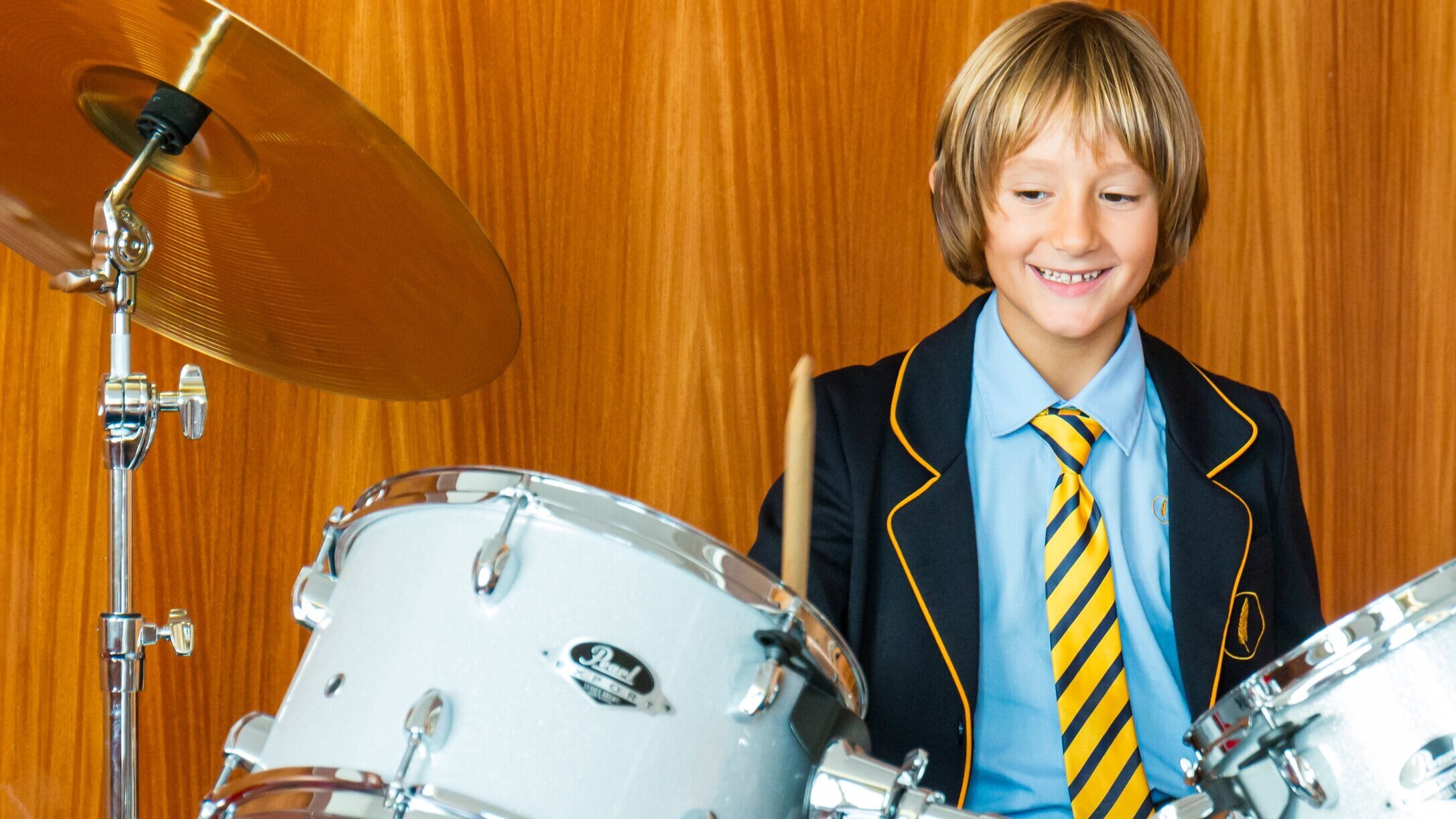
Music Develops Unique Minds
Music is a universal language that can engage and inspire children. Learning a musical instrument or simply appreciating a broader range of musical genres develops a unique mind and spirit, and provides a source of joy and satisfaction that can last a lifetime.
Music has almost universal interest, most people enjoy listening to it, playing an instrument or singing. It’s an enjoyable subject and a subject that enriches students’ lives and their education. As a result, Music has a central place in the curriculum, allowing students to develop an appreciation and love for music while honing their musical skills.
Throughout the year a busy schedule of concerts and musical workshops provide pupils with the opportunities to showcase their work and talent, both in the school and the broader community.
ART
Every Opportunity To Grow As Artists
The British School prides itself on its leading and balanced art curriculum, which allows students to experience and excel in the areas in which they are most passionate. The Arts at our school is seen as an essential part of our curriculum and we offer a large number of performing arts programs for students of all ages.
Our facilities are excellent and serve to support the creative efforts of our children who have access to a wide selection of programmes throughout the year, outside of regular enrichment activities.
Our teachers teach classes designed to develop creativity using a variety of media and techniques in arts and crafts. The awareness of colour, shape, balance, focus, and proportion are formed together to convey ideas and feelings. Students study a wide range of artists, craftsmen, and designers. These studies not only remain in the classroom, every year we invite artists to conduct workshops in their field.

SPORTS
Developing A Love For Physical Activity
Our aim in Physical Education (PE) is to introduce students to a wide variety of sports and activities with the hope that they leave our school recognising the importance of a healthy, active lifestyle after developing a love for physical activity. Throughout the year, sports competitions and inter-house tournaments help develop critical skills such as communication, leadership, and teamwork.
We believe all children benefit from a balanced and broad Physical Education curriculum in which they are given help to realise their full potential in all aspects of physical activity.
There is no doubt that Physical Education plays a vital role in a child’s development. The curriculum is designed to enable all children to participate in a wide range of activities in many varied environments thus enabling them to enhance their knowledge, understanding, and ability to apply physical skills.
DRAMA
Encouraged, Both On & Offstage
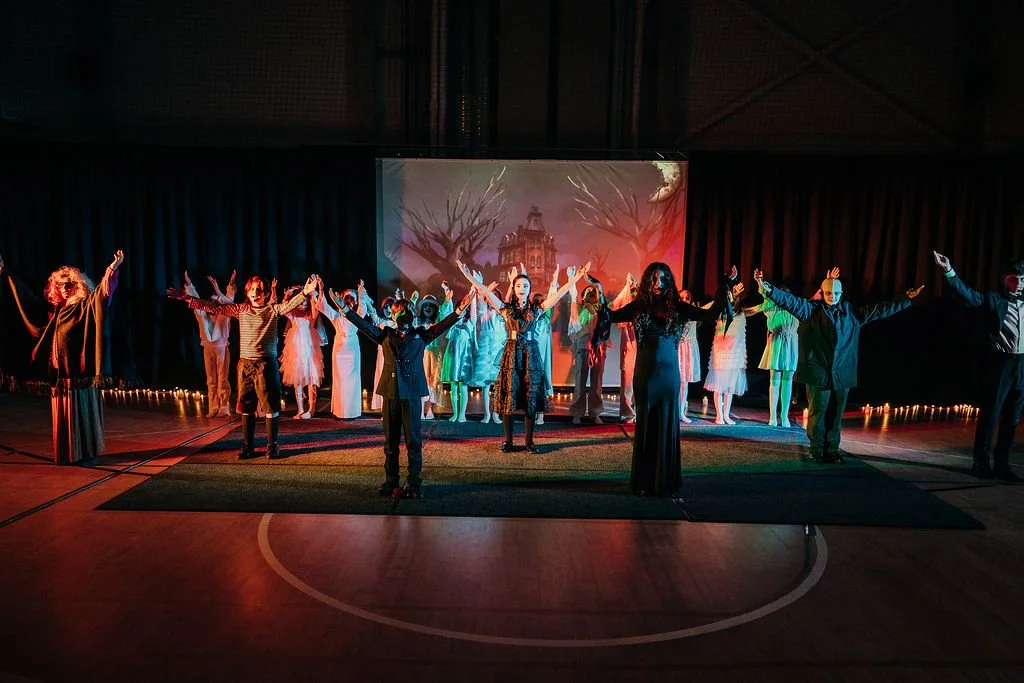
Our students help to write, direct, and star in their own shows! Drama is a fundamental and highly valued aspect of the international school education offered at The British School. Every student is encouraged to take part, both onstage and offstage, and there are plenty of opportunities to showcase their talents at a variety of shows and productions.
Current educational thinking and research show that drama is a practical teaching and learning medium, which is readily accessible to all learners, visually, verbally and kinaesthetically. Dramatic play is important and necessary for children. It is a natural, brain-friendly learning medium which children bring with them to school.
The skills acquired will be advantageous later in life. It requires students to practise skills in teamwork, leadership, creative problem solving, speaking and delivering work to an audience. Therefore, encouraging personal and cultural development. Students learn specific skills linked to historical and cultural contexts, to prepare them to become performers, critics, makers, and audiences of the future.