“Leadership & Learning Are Indispensable To Each Other”
John F. Kennedy
Our secondary school curriculum has been designed to meet the requirements of current national guidelines and our commitment to providing a wide range of subjects, including modern languages and vocational training options. Students are grouped differently depending on the needs of the subject.
Summary Of Secondary Curriculum
At the British School of Vilnius, our secondary school curriculum is based on the English National Curriculum, offering a broad, balanced, and inclusive educational experience for students in Vilnius and the wider international community.
Our programme is fully aligned with the National Curriculum for England, ensuring high academic standards and a structured pathway through each key stage. The curriculum is carefully designed to be relevant, differentiated, and responsive to individual student needs.
Personalised Learning Pathways
In secondary school, students benefit from a personalised curriculum tailored to their strengths, interests, and future aspirations. Clear and flexible pathways between key stages allow students to make informed academic choices with guidance from teachers and parents.
IGCSE Programme and Subject Choices
Students at the British School of Vilnius prepare for IGCSE (International General Certificate of Secondary Education) examinations.
Our curriculum includes a strong foundation of core subjects, alongside a broad range of options:
English Language and/or English Literature
Mathematics
Sciences (such as Biology, Chemistry, and Physics)
A modern foreign language studied to IGCSE level
Core humanities such as History or Geography
A range of additional subjects supporting academic and personal development
Students sit IGCSE exams in their chosen subjects, provided they meet course requirements, including attendance and coursework completion.
Preparation for Sixth Form and Beyond
Our secondary curriculum provides clear progression routes beyond age 16, supporting students in continuing their studies into Sixth Form, higher education, or future careers.
We aim to develop:
Academic excellence
Critical thinking
Independence and confidence
Support and Inclusion
We provide targeted support for students with English as an Additional Language (EAL), ensuring full access to the curriculum.
Students also benefit from:
Extension opportunities for high-achieving and talented learners
Additional support and intervention where needed
Assessment and Student Progress
Student progress is monitored through a combination of:
Formal assessments, aligned with school reporting procedures
Regular informal assessments, providing ongoing feedback
Clear learning goals and progress updates are regularly communicated to both students and parents, ensuring a strong partnership in each student’s educational journey.
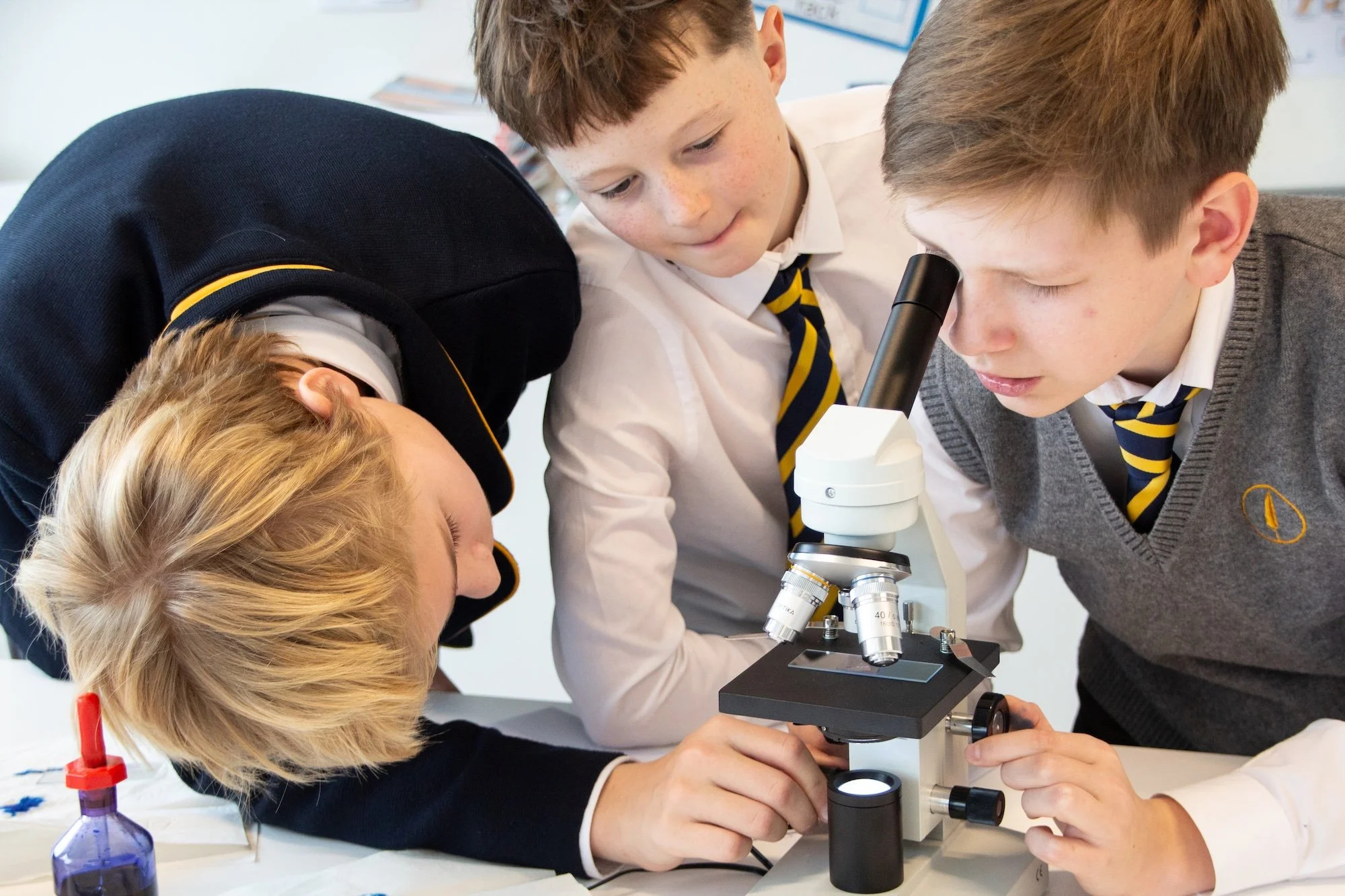
Key stage 3
Years 7, 8 & 9

IGCSE
Years 10 & 11
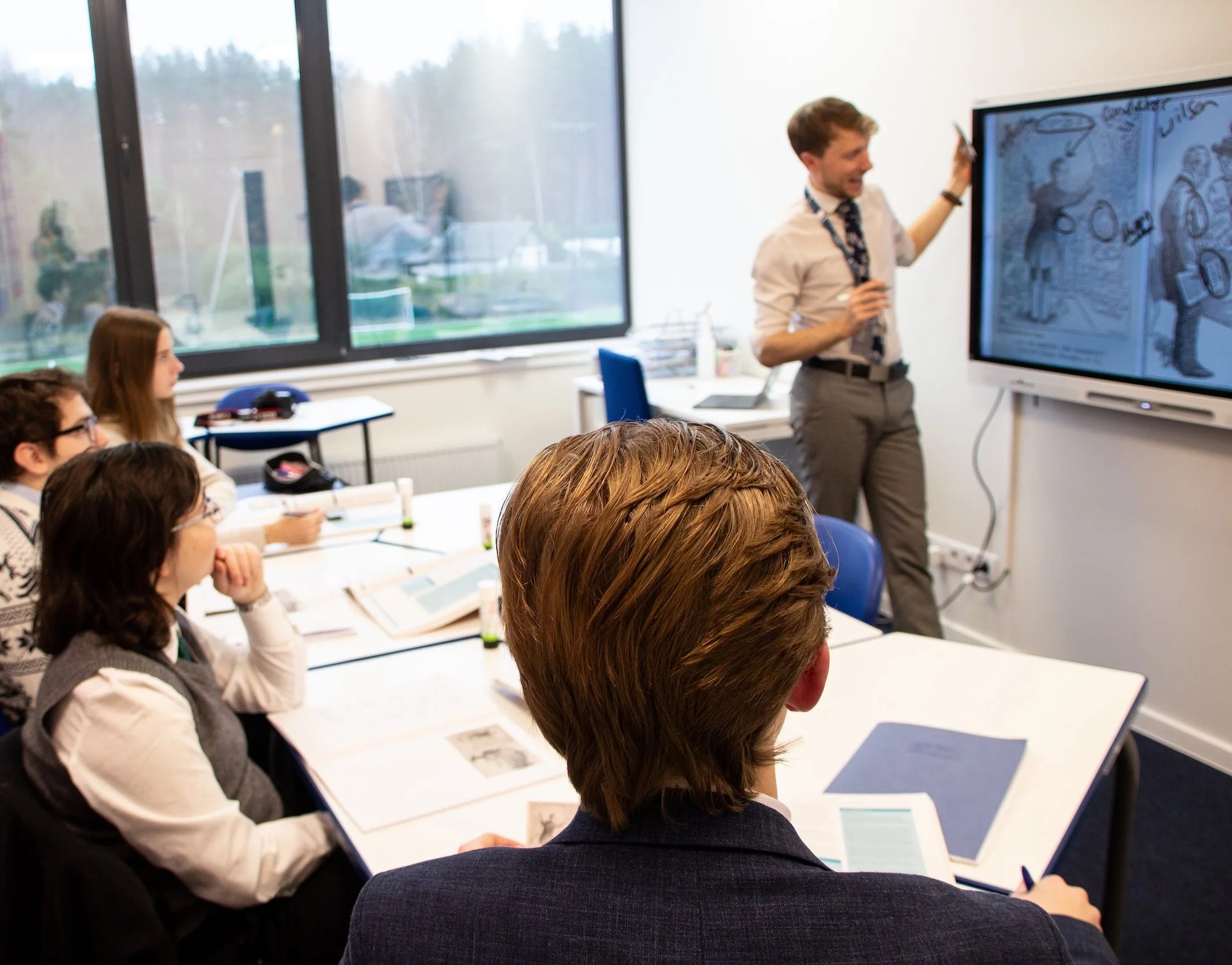
International A-Levels
Years 12 & 13